


The global "plastic restriction order" will be released by the end of 2024
Time:
Dec 08,2022
Plastic is one of the fastest growing materials. Global plastic production is expected to double to more than 1 billion tons per year by 2050, and with it comes increased pollution.
Steve Fletcher, a researcher in marine policy and economics at the University of Portsmouth in the United Kingdom, pointed out that "poor land management will lead to plastic waste ending up in rivers and being discharged into the ocean." Currently, plastic waste accounts for 85% of all marine litter. The United Nations Environment Program (UNEP) predicts that by 2040, the amount of plastic waste in the ocean will nearly triple, with an annual increase of 23 million to 37 million tons.
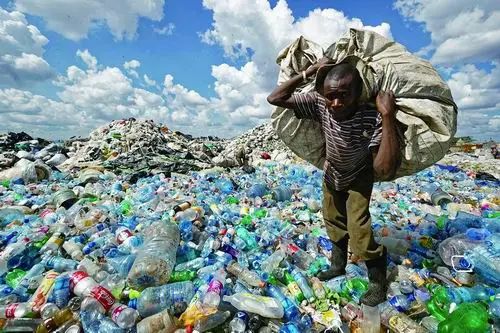
Faced with such a severe situation, countries have already begun to take action. According to "Nature", from November 28 to December 2, representatives from more than 150 countries held the first meeting of the intergovernmental negotiating committee in Uruguay to reach a historic global agreement to end plastic pollution.
The meeting was held because as early as March this year, the resumed fifth session of the United Nations Environment Assembly unanimously passed the Resolution on Ending Plastic Pollution (Draft), which aims to establish an intergovernmental negotiating committee with the goal of 2024 Complete a legally binding international agreement to prevent and reduce global plastic pollution by the end of the year. The agreement will carry out full life cycle management of plastics, including plastic production, packaging, products and business models.
In the meantime, a daunting task for representatives of various countries is to meet to agree on rules and strategies to control plastic pollution.
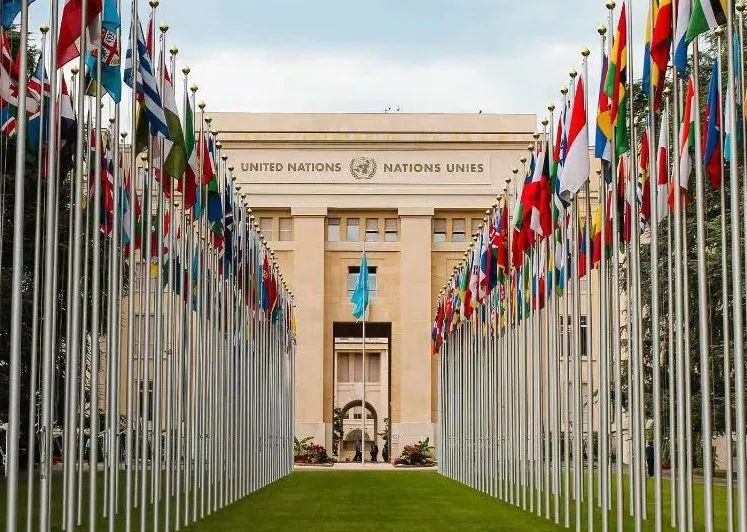
INC-1 negotiators are tasked with developing measures and obligations related to legally binding treaties. Possible measures include extended producer responsibility legislation; subsidies, taxes and duties; and bans or restrictions on specific substances, polymers or products.
The INC Secretariat has prepared an analysis on four main areas needed to transition to a circular economy: eliminating and replacing unnecessary plastics and harmful additives, designing plastic products for reusability and recycling, ensuring product reuse and recycling, and managing plastic pollution in an environmentally responsible manner.
The resolution comes amid a growing plastic crisis that experts say threatens the environment, human health and the economy. Studies show that humans produce around 460 million tonnes of plastic every year, a figure that will triple by 2060 if urgent action is not taken. According to a UNEP study, more than 14 million tons of plastic enter and damage aquatic ecosystems every year, and plastic-related greenhouse gas emissions are expected to increase by 2050 if humans are to limit global warming to 1.5°C. will account for 15% of the total allowable emissions.
Experts say that recycling alone cannot end plastic pollution, and humans need to reduce plastic consumption and production. This leads to what are known as lifecycle methods. As well as managing plastic waste and promoting reuse, it looks at how products are designed, produced and distributed, and tries to reduce the amount of plastic used along the way.
A life-cycle approach could reduce the amount of plastic entering the ocean by more than 80%, saving governments $70 billion by 2040, according to a report by the United Nations Environment Programme. It could also reduce greenhouse gas emissions by 25 percent and create 700,000 jobs.
According to Linda Godfrey, Chief Scientist of the South African Scientific and Industrial Research Council, this will be a game between non-governmental organizations and the plastics industry. The former hopes to ban the use of single-use plastics and find safer alternatives, while the latter thinks it can Address pollution by improving waste recycling. Therefore, agreement negotiators have to weigh and deal with these issues.
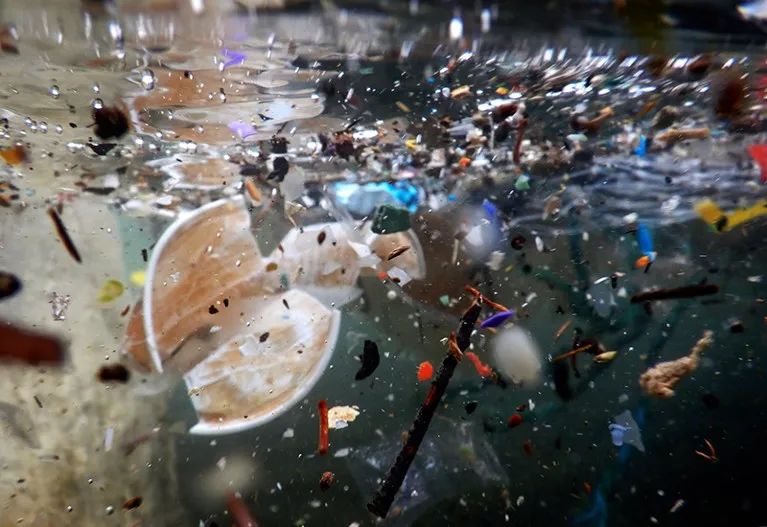
In order to change the environmental problem of "white pollution" and achieve the goal of "double carbon", relevant departments have repeatedly issued "plastic restriction" and "plastic ban" documents with high frequency, and vigorously promoted traditional plastic alternative materials and degradable plastics. Research and development, production and application of materials.
In the process of seeking to solve "plastic pollution" from the root, it is very important to find an environmentally friendly alternative material that can be degraded by the environment and become a link in the ecological cycle. Degradable materials can not only be used in a short time It is an effective carrier to realize the recycling and utilization of resources. This also means that degradable plastics will be a huge blue ocean.
Although plastic pollution control has become a global consensus, there are also characteristics of uneven development among countries. Especially in the construction of plastic pollution control infrastructure and the concept of plastic pollution control, there is a big gap between countries. Developing countries urgently need technical and financial support. As the largest developing country in the world, China will take this opportunity to further strengthen plastic pollution control and strive to contribute greater Chinese wisdom to global plastic pollution control.
